Dog Weight Management: How to Tell If Your Dog Is Overweight
Over 50% of dogs in America are overweight or obese. Extra weight shortens lifespan by up to 2 years. Learn how to assess and manage your dog's weight.

DogSupplyFinder Research Team
Product Research ·
📖 Table of Contents
The Obesity Epidemic in Dogs
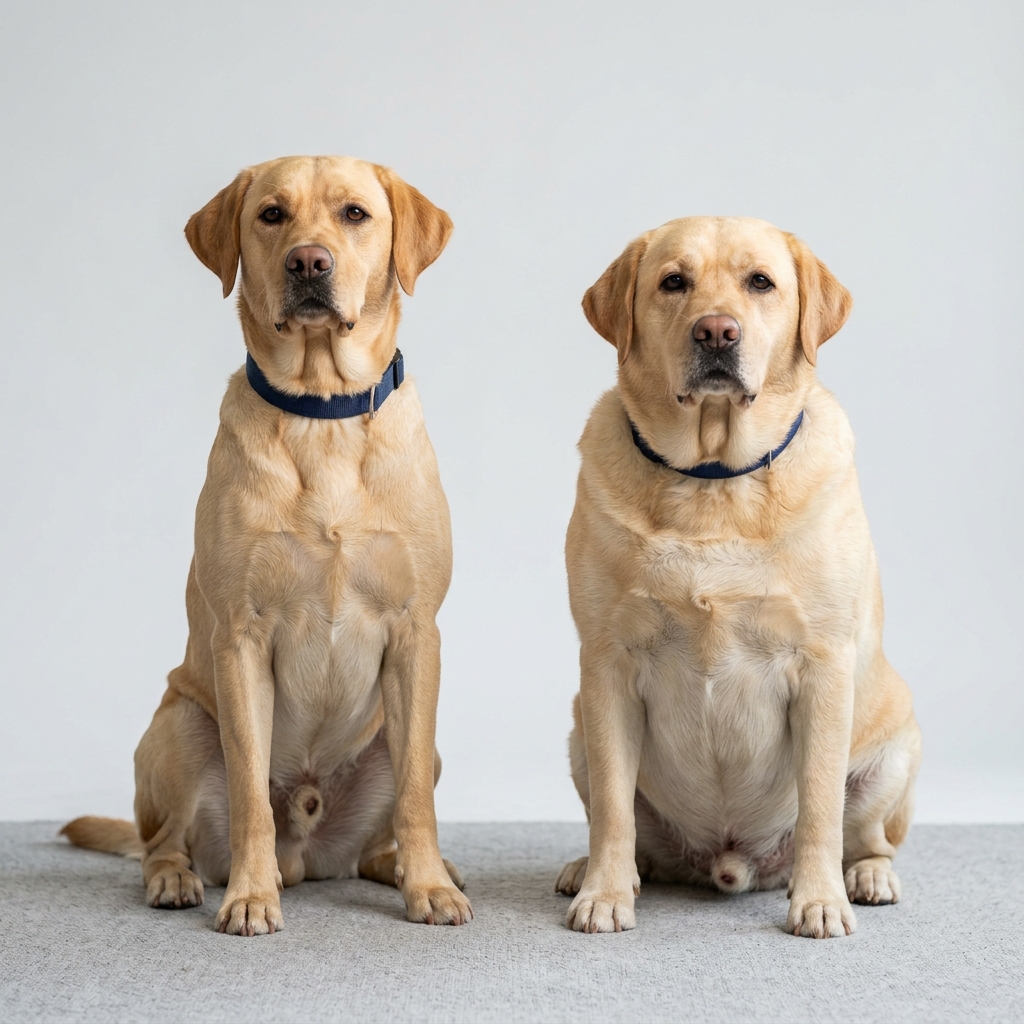
The Association for Pet Obesity Prevention estimates that 59% of dogs in the United States are overweight or obese. Because we see overweight dogs constantly, we have normalized what an overweight dog looks like. Many owners whose dogs are at a healthy weight are told their dog is “too thin.”
How to Assess Your Dog’s Weight: The Body Condition Score
Rather than relying on a number on the scale (which varies enormously by breed), veterinarians use a Body Condition Score (BCS) on a scale of 1-9:
- 1-3 (Underweight): Ribs, spine, and hip bones are clearly visible. No body fat.
- 4-5 (Ideal): Ribs are easily felt with light pressure but not visible. There is a visible waist when viewed from above, and an abdominal tuck when viewed from the side.
- 6-7 (Overweight): Ribs are difficult to feel under a layer of fat. The waist is barely visible or absent. The belly hangs.
- 8-9 (Obese): Ribs cannot be felt. No waist. Obvious belly. Fat deposits on the neck, limbs, and base of the tail.
Why Extra Weight Is Dangerous
Obesity is not a cosmetic issue. It directly causes or worsens:
- Osteoarthritis and joint pain
- Type 2 diabetes
- Heart disease and high blood pressure
- Respiratory difficulty (especially in brachycephalic breeds)
- Increased cancer risk
- Reduced lifespan (studies show overweight dogs live 1.8 to 2.5 years less than lean dogs)
For more on this topic, see our guide on 10 Signs Your Dog Is in Pain (Dogs Hide It Well).
How Dogs Get Fat
The equation is simple: more calories consumed than calories burned. The most common causes:
- Overfeeding: The feeding guidelines on the bag are starting points, not prescriptions. They often overestimate caloric needs.
- Too many treats: Treats should constitute no more than 10% of daily caloric intake.
- Table scraps: A single ounce of cheese to a 20-pound dog is the caloric equivalent of a human eating 1.5 hamburgers.
- Insufficient exercise: See our exercise guide.
For more on this topic, see our guide on Dog First Aid Kit: The Essential Supplies Every Owner Needs.
The Weight Loss Plan
- Consult your vet to rule out medical causes (hypothyroidism, Cushing’s disease) and get a target weight.
- Measure food precisely. Use a kitchen scale, not a scoop. Eyeballing portions leads to consistent overfeeding.
- Reduce calories by 15-20%. Do not crash diet; rapid weight loss is dangerous for dogs.
- Switch to green bean supplementation. Replace 25% of the kibble volume with plain, canned green beans (no salt). This adds bulk and fiber with minimal calories, helping the dog feel full.
- Increase exercise gradually. Start with an extra 5 minutes of walking per day and build up.
- Weigh monthly. A safe rate of weight loss is 1-2% of body weight per week.
DogSupplyFinder Research Team
Product Research
Our research team analyzes ingredient lists, AAFCO feeding standards, safety specifications, and thousands of verified owner reviews, with particular attention to breed-specific needs such as brachycephalic breeds and dogs with dietary sensitivities. Evaluations prioritize safety specs, third-party certifications, and manufacturer quality controls over marketing language.
Dog Tips, Deals & Gear Guides
Expert buying guides, breed-specific product picks, and honest gear reviews. Plus our free New Puppy Checklist for subscribers.
📬 No spam, ever. Unsubscribe anytime. · Get the free puppy checklist