Hiking with Your Dog: Safety, Gear, and Trail Etiquette
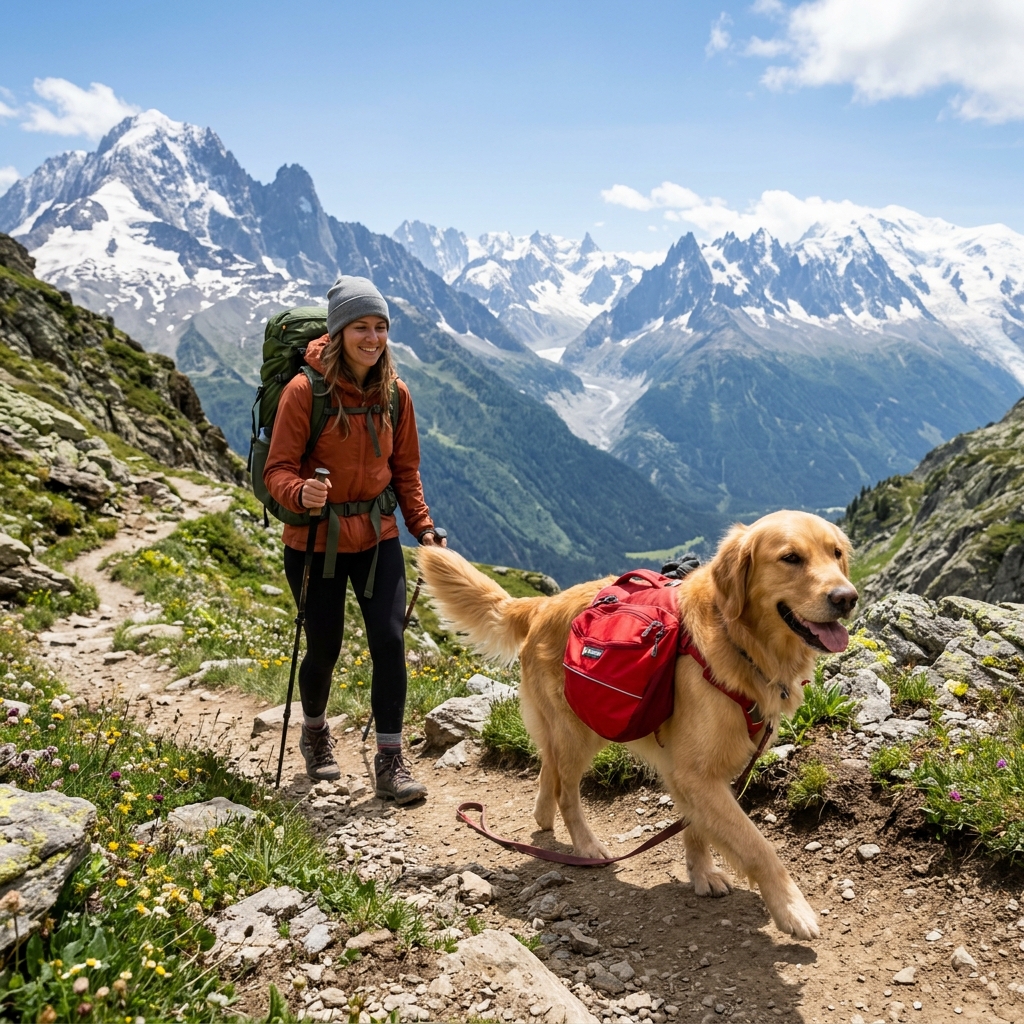
Hitting the trail with your dog is one of life's great pleasures. Here is how to prepare for a safe, enjoyable hike for both of you.

DogSupplyFinder Research Team
Product Research ·
📖 Table of Contents
Before the Hike: Preparation
Is Your Dog Fit Enough?
A dog that walks 20 minutes a day around the neighborhood is not ready for a 10-mile mountain trail. Build up distance and elevation gradually over several weeks, just like a human training plan.
Check the Trail Rules
Many trails, national parks, and wilderness areas have specific rules for dogs: leash required, dogs prohibited on certain trails, or seasonal wildlife closures.
For more on this topic, see our guide on Dog Park Etiquette: Rules Every Owner Should Follow.
Vaccination and Prevention
Ensure your dog is current on Rabies, Leptospirosis (transmitted through water sources used by wildlife), and is on flea/tick prevention. Lyme disease is a real risk on wooded trails.
For more on this topic, see our guide on How to Choose the Right Dog Collar: Types, Sizing, and Safety.
Essential Gear
1. Water and a Collapsible Bowl
Dogs cannot regulate their temperature as efficiently as humans. Bring at least 1 ounce of water per pound of body weight per hour of hiking. Do not let them drink from streams or lakes (risk of Giardia and Leptospirosis).
2. A Sturdy Leash (Not Retractable)
Use a 6-foot fixed-length leash. Retractable leashes offer zero control on narrow trails, near cliffs, or around wildlife.
3. Poop Bags
Pack it in, pack it out. Leaving dog waste on trails is unsanitary, attracts wildlife, and gives dog owners a bad reputation.
4. Dog First Aid Supplies
At minimum, bring: styptic powder, self-adhesive bandage wrap, tweezers (for ticks), and booties or Musher’s Secret paw wax for rough terrain.
5. ID and a GPS Tag
Ensure your dog is microchipped and wearing a collar with current tags. A GPS collar tracker provides peace of mind on off-leash trails.
On the Trail
Watch for Overheating
Dogs cannot sweat. Panting is their only cooling mechanism. Signs of overheating: excessive drooling, bright red gums, staggering, or lying down and refusing to move. If you see these signs, stop, find shade, and cool the dog with water. Turn back.
Hazards to Watch For
- Foxtails: Barbed grass seeds that burrow into ears, noses, paws, and skin. Check your dog thoroughly after hikes in dry grasslands.
- Snakes: Keep your dog on trail and away from rocky outcroppings, tall grass, and log piles.
- Porcupines and skunks: If quilled, do not pull porcupine quills yourself; they have barbed tips. Go to a vet.
- Toxic plants and mushrooms: Prevent your dog from eating anything on the trail.
Trail Etiquette
- Yield to hikers without dogs.
- Keep your dog close when passing other hikers and dogs.
- Do not let your dog approach other hikers or their dogs without asking.
DogSupplyFinder Research Team
Product Research
Our research team analyzes ingredient lists, AAFCO feeding standards, safety specifications, and thousands of verified owner reviews, with particular attention to breed-specific needs such as brachycephalic breeds and dogs with dietary sensitivities. Evaluations prioritize safety specs, third-party certifications, and manufacturer quality controls over marketing language.
Dog Tips, Deals & Gear Guides
Expert buying guides, breed-specific product picks, and honest gear reviews. Plus our free New Puppy Checklist for subscribers.
📬 No spam, ever. Unsubscribe anytime. · Get the free puppy checklist