Why Does My Dog Eat Grass? (And Should I Stop It?)
It's one of the most common dog behaviors, and usually harmless. Discover why dogs graze, when it indicates an upset stomach, and when you need to call the vet.

DogSupplyFinder Research Team
Product Research ·
📖 Table of Contents
This page is the should-I-stop-it read: pica vs. normal grazing, treated lawns, and when to interrupt. For the research-first “when to worry” version, see Why Your Dog Is Eating Grass (And When to Worry). We keep both titles.
The Pica Phenomenon
Eating non-food items is called “pica.” While eating rocks or socks is a dangerous medical emergency, eating grass is so common among domestic dogs that many veterinarians consider it normal canine behavior.
There are three primary reasons why your dog is treating your lawn like a salad bar.
1. The “Upset Stomach” Theory
This is the most common explanation owners hear: dogs eat grass to make themselves vomit when they feel sick.
While it is true that eating long, tickly blades of grass without chewing can irritate the throat and stomach lining, causing the dog to throw up, modern veterinary studies suggest this isn’t the primary reason for most dogs. In a study by the University of California, Davis, less than 10% of dogs showed signs of illness before eating grass, and only 22% vomited afterward.
For more on this topic, see our guide on Why Does My Dog Follow Me Everywhere? (Velcro Dog Syndrome).
If your dog is frantically eating grass, gulping it down as fast as possible, and then vomiting, they likely do have an upset stomach. But if they are casually grazing, it’s something else.
For more on this topic, see our guide on Why Does My Dog Lick Everything? (Paws, Floors, Furniture, You).
2. Dietary Deficiency or Need for Roughage
Dogs are omnivores, not strict carnivores. In the wild, their ancestors consumed plant matter directly and indirectly (by eating the stomach contents of herbivorous prey).
Some veterinarians believe dogs graze to fulfill a need for fiber (roughage) that might be missing from their diet. Fiber helps food pass through the gastrointestinal tract and promotes firm stools. If you suspect your dog needs more fiber, talk to your vet about switching to a higher-fiber kibble or safely adding plain, canned pumpkin (not pie filling) to their meals.
3. They Just Like It
The simplest explanation is often the correct one: many dogs just like the taste and texture of grass, especially in the spring when new, tender shoots are growing. It is a rewarding sensory experience for them.
When Should You Stop Them?
In most cases, grazing is harmless. However, you must intervene in these situations:
- Treated Lawns: Never let your dog eat grass that has been treated with herbicides, pesticides, or fertilizers. These chemicals are highly toxic. If you use lawn treatments, wait the manufacturer’s recommended time (often 48 hours or after a heavy rain) before letting your dog back on the grass.
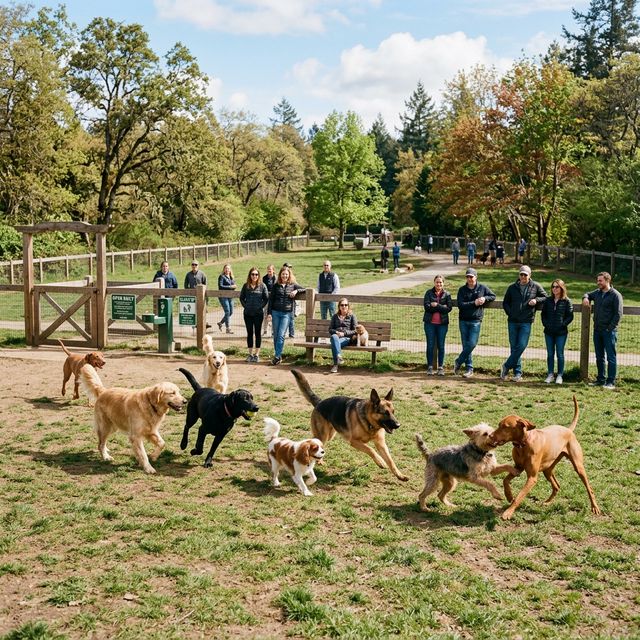
- Public Parks: Be cautious in public parks where you don’t know the treatment history of the grass, or where there is a high concentration of dog feces (which can transmit intestinal parasites like hookworms or roundworms).
- Toxic Plants: Make sure your dog is actually eating grass and not nibbling on toxic landscaping plants like Sago Palms, Oleander, Azaleas, or Daffodils.
- Excessive Grazing: If your dog’s grass-eating suddenly increases, or if it is accompanied by lethargy, diarrhea, loss of appetite, or repeated vomiting, it is no longer normal behavior. Contact your veterinarian to rule out gastrointestinal disease or an obstruction.
DogSupplyFinder Research Team
Product Research
Our research team analyzes ingredient lists, AAFCO feeding standards, safety specifications, and thousands of verified owner reviews, with particular attention to breed-specific needs such as brachycephalic breeds and dogs with dietary sensitivities. Evaluations prioritize safety specs, third-party certifications, and manufacturer quality controls over marketing language.
Related reading
Same cluster on this site — live guides only.
Dog Tips, Deals & Gear Guides
Expert buying guides, breed-specific product picks, and honest gear reviews. Plus our free New Puppy Checklist for subscribers.
📬 No spam, ever. Unsubscribe anytime. · Get the free puppy checklist